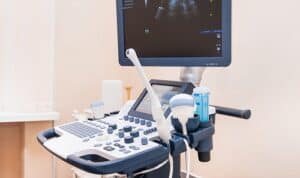

According to the report published by Virtue Market Research in The Ultrasound Devices Market was valued at USD 8 billion in 2025 and is projected to grow at a CAGR of 6.5% from 2026 to 2030. The market is expected to reach USD 10.96 billion by 2030.
Request Sample Copy Of This Report @ https://virtuemarketresearch.com/report/ultrasound-devices-market/request-sample
The ultrasound devices market has been shaped by a long-term driver that continues to influence its growth across regions and healthcare settings: the steady rise in chronic diseases and age-related health conditions. As populations grow older, doctors rely more on imaging tools that are safe, repeatable, and gentle on the body. Ultrasound fits this need well because it does not use radiation and can be used many times without added risk. Over the years, it has become a routine part of care for heart problems, pregnancy monitoring, abdominal pain, and muscle injuries. When COVID-19 spread across the world, this market faced mixed effects. In the early months, many hospitals delayed non-urgent scans, which slowed demand. At the same time, ultrasound devices were used at the bedside to check lung health and heart function in infected patients, especially when moving them was risky. This showed how flexible and useful these devices could be during a crisis, and it strengthened long-term trust in the technology.
Segmentation Analysis:
By Product: Diagnostic Ultrasound Devices, Therapeutic Ultrasound Devices, Ultrasound Accessories
In the ultrasound devices market by product, the range of tools is wide, and each type serves a different purpose inside hospitals and clinics. Diagnostic ultrasound devices are the largest in this segment because they are used every day to see inside the body without surgery. These devices help doctors view organs, track babies before birth, and guide simple checks during regular visits. Their steady use across many departments keeps demand strong and consistent. Therapeutic ultrasound devices are the fastest growing during the forecast period because they are being used more often for treatment rather than only for viewing. These systems help manage pain, support tissue healing, and assist in focused therapies that need careful energy control. As care shifts toward non-invasive treatment options, interest in these devices continues to rise. Ultrasound accessories, such as probes, gels, and cables, play a supporting role by keeping systems running smoothly. While they are essential, their growth depends on how often main devices are replaced or upgraded. Together, these products form a balanced mix where daily diagnosis leads in size, and treatment-focused tools push growth forward in new directions.
By Application: Obstetrics and Gynecology, Cardiovascular, Urology, Musculoskeletal, Abdominal Imaging
When viewed by application, the ultrasound devices market shows clear differences in how and where imaging is used. Obstetrics and gynecology is the largest application segment because ultrasound is a routine part of pregnancy care and women’s health. Expecting families rely on regular scans, and healthcare providers depend on them for safe monitoring, making this use steady and widespread. Cardiovascular applications are the fastest growing during the forecast period as heart-related checks become more common across age groups. Ultrasound helps doctors watch blood flow, check heart movement, and guide care without opening the body. Urology uses ultrasound for kidney and bladder checks, offering a quick look that supports early care. Musculoskeletal imaging is gaining attention in sports and injury care, where doctors want to see muscles and joints in motion. Abdominal imaging supports checks of the liver, pancreas, and other organs during routine exams. Each application has a clear role, with pregnancy care holding the largest share, while heart-focused use grows quickly as awareness and screening expand.
Read More @ https://virtuemarketresearch.com/report/ultrasound-devices-market
Regional Analysis:
Across regions, the ultrasound devices market reflects differences in healthcare access, spending, and population needs. North America is the largest regional segment because of its strong hospital networks, high use of imaging in daily care, and early adoption of new medical tools. Clinics and hospitals in this region often update equipment and use ultrasound across many specialties, keeping demand high. Asia-Pacific is the fastest-growing region during the forecast period as healthcare systems expand and more people gain access to basic diagnostic services. Growing cities, rising health awareness, and investments in clinics support this upward movement. Europe holds a steady position with a focus on public healthcare and routine imaging standards. South America shows gradual growth as access improves in urban areas, while rural regions continue to develop. The Middle East & Africa region sees uneven growth, with advanced care in some countries and limited access in others. Regional patterns highlight how established systems lead in size, while developing markets move ahead at a faster pace.
Customize This Study As Per Your Requirements @ https://virtuemarketresearch.com/report/ultrasound-devices-market/customization
Latest Industry Developments:
- Innovation-Led Product Advancement: The ultrasound devices market is trending toward innovation-led product advancement as companies push boundaries to attract new customers and keep existing ones. A clear example of this trend is the launch of systems that combine powerful artificial intelligence with high-quality imaging, which help clinicians see clearer pictures faster and make better decisions. This push into smarter machines means that ultrasound tools are no longer just hardware, but also include intelligent software that supports automated measurements, analysis, and workflow speed-ups. At the same time, companies are introducing portable and handheld models that fit in small clinics or emergency settings, expanding where and how ultrasound can be used. This trend reflects a broad shift to technologies that improve diagnostic confidence while making devices easier to deploy in diverse care environments.
- Strategic Collaborations and Alliances: The ultrasound devices industry is experiencing a trend of strategic collaborations and alliances that help businesses strengthen their positions across global markets. Partnerships with technology firms, cloud service providers, and local healthcare networks are becoming more common as companies seek to integrate advanced digital features, expand data sharing, and reach new user groups. These collaborative efforts allow ultrasound systems to offer enhanced connectivity, interoperability with hospital IT systems, and smoother integration into telemedicine platforms. Beyond technology, alliances with regional service providers help expand distribution channels and tailor support for localized needs. By connecting forces with external organizations, companies in this market improve their service offerings and broaden their reach without solely relying on internal resources.
- Geographic Expansion and Market Penetration: Another trend in the ultrasound devices market is geographic expansion and deeper market penetration, especially into emerging regions. Providers are exploring new territories by adjusting pricing strategies, setting up local manufacturing, and participating in regional healthcare programs. This shift is driven by rising demand for accessible diagnostic tools in underserved areas where traditional large machines are less practical. Focused efforts on portable and cost-effective ultrasound units help make imaging more available in rural clinics and smaller hospitals. Marketing campaigns and localized training programs further support adoption by educating clinical staff on new technologies. As a result, ultrasound devices are gradually becoming more common outside major urban centers, helping companies capture fresh opportunities and diversify their revenue beyond established markets.