
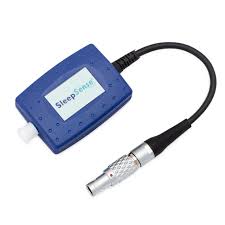

Devices and instruments promoted as sleep technology are designed to enhance the quality of sleep. These products leverage advanced sensor technologies to assess sleep patterns by tracking metrics such as heart rate, blood oxygen saturation, and overall sleep behavior. Sensors integrated within these sleep monitors can detect rapid eye movement (REM) sleep. Consequently, sleep monitoring devices facilitate the collection of critical data through analytical capabilities. Additionally, sleep trackers observe the user’s sleep patterns and provide recommendations for managing sleep-related disorders. The growing incidence of sleep disturbances globally, coupled with rising personal disposable incomes, are the primary factors driving the expansion of the sleep tracker market. The adoption of these devices for managing sleep apnea is expected to witness the fastest growth. Other factors contributing to market development include the increasing availability of consumer electronics—particularly in emerging economies—the growing acceptance of smart and wearable technologies, and the ease of access via both online and offline distribution channels.
Request Sample
The long-term expansion of the sleep tracker market may face challenges due to the high cost of smart wearable devices and related gadgets. Market growth could also be restrained by fluctuations in raw material prices and intensified price competition among existing players. Furthermore, concerns surrounding data privacy and security, combined with stringent regulatory requirements, may limit the adoption of sleep monitoring technologies.
Advancements in sleep technology are expected to enable an increasing number of individuals experiencing severe sleep disorders to access effective treatment. Artificial intelligence (AI) has emerged as a valuable tool in providing personalized recommendations for managing conditions such as insomnia. Several manufacturers are developing AI-integrated smart beds capable of adjusting to users’ body positions throughout the night to enhance sleep quality. In addition, a variety of devices designed to modulate brainwave activity are being created to encourage specific wave patterns associated with restorative sleep. For instance, the FitSleep 1 device from the Chinese company FitSleep utilizes alpha waves to support improved sleep.
The COVID-19 pandemic negatively affected the sleep technology market during the first half of 2020; however, market activity rebounded following the easing of lockdown restrictions. The pandemic disrupted the manufacturing, development, and distribution of sleep technology products, leading to temporary closures of production facilities and reduced availability from contract manufacturers and supply chain partners. Concurrently, social isolation, financial stress, and increased anxiety contributed to widespread sleep disturbances, which in turn heightened demand for devices capable of monitoring, tracking, and managing sleep disorders.
Key market players are collaborating on research and development initiatives to introduce innovative solutions addressing a variety of sleep disorders. However, limited awareness regarding sleep conditions and the availability of wearable medical devices for monitoring these disorders remains a significant challenge that may hinder the growth of the wearable sleep tracker market.
The adoption of sleep technology devices for managing sleep apnea is projected to experience the fastest growth. Additional factors driving market expansion include rising penetration of consumer electronics, particularly in emerging economies, greater acceptance of smart and wearable devices, and convenient access through both online and offline retail channels. Over time, shifting consumer lifestyles and the growing presence of e-commerce platforms—especially in developing regions—are expected to create further opportunities for profitable market growth. Increased awareness regarding the availability and benefits of sleep technology devices in both developing and underdeveloped countries is also anticipated to support market advancement.
Moreover, the market for sleep technology devices is expected to benefit from innovations in sleep apnea treatment solutions, such as advanced nerve stimulators and body positioners. Chronic stress and physical discomfort remain key contributors to insomnia, driving ongoing demand for sleep monitoring and therapeutic equipment. As awareness of the health benefits associated with quality sleep rises, the adoption of smart sleep technologies is likely to increase, further reinforcing market growth.
Enquire Before Buying
Market Segmentation:
By Product: wearables, Non-wearables
The Sleep Sensor Market is segmented into Wearables and Non-Wearables. The wearables segment has been propelled by the rising prevalence of sleep disorders, including sleep apnea and insomnia, across the globe, coupled with the availability of a wide range of wearable sleep tracking devices and the growing emphasis on achieving adequate rest. Additionally, the introduction of innovative wearable smart sleep trackers is expected to further support the expansion of this market segment.
By Application: Insomnia, Obstructive sleep apnea, Narcolepsy, Others
The sleep apnea segment accounted for the largest market share and is projected to register the fastest growth. The rising demand for wearable medical devices for sleep apnea management is driven by factors such as the expansion of health insurance coverage for these devices. The impact of rapid eye movement (REM) sleep disturbances on cardiometabolic health further fuels the adoption of wearable sleep trackers. The insomnia segment held the second-largest market share, supported by the growing penetration of advanced technological devices for insomnia management and the increasing use of smart wearable devices for insomnia treatment, particularly among the younger population.
By Distribution Channel: Specialty clinics ,Direct-to-consumer, Hospital, Online Channel, Others
The online channels segment captured the largest market share and is expected to register the fastest growth. This expansion is driven by factors such as increasing consumer preference for digital shopping experiences and the growing demand for convenient door-to-door delivery. The market for wearable sleep trackers is further supported by the younger population’s rising interest in fitness and health tracking devices. The Supermarkets/Hypermarkets segment held the second-largest share, benefiting from the availability of diverse smart wearable products across multiple brands and price points, attractive in-store promotions, and increased investment by leading market players.
Regional Analysis:
North America has emerged as the leading region in the sleep sensor market, driven by the presence of major industry players, advanced healthcare infrastructure, and the increasing prevalence of sleep disorders. The growth of this market is further supported by the rising demand for wearable medical devices, fitness tracking gadgets, and the introduction of innovative products targeting various sleep disorders. In 2021, a significant grant was awarded to the American Academy of Sleep Medicine to promote awareness of obstructive sleep apnea. The initiative aims to enhance public understanding of chronic sleep conditions by enabling partners and stakeholders to educate, engage, and support awareness campaigns.
The Asia-Pacific sleep sensor market is projected to witness the highest growth over the forecast period, fueled by advancements in wearable technologies. Market expansion in this region is driven by increasing government initiatives and growing demand for smart wearable devices for sleep apnea management. Additional factors supporting growth include rising personal disposable incomes, rapid globalization, westernization, modernization, and heightened awareness of wearable technologies.
Latest Industry Developments:
Government Initiatives: Governments and sleep-related foundations worldwide are focusing on reducing healthcare costs through various educational initiatives. These efforts have heightened consumer awareness of available treatments for sleep disorders and advanced technological solutions, thereby driving the growth of the wearable sleep sensors market.


