
Pharma Manufacturing Equipment Market Size To Reach USD 45.9 Billion By 2034 Driven By 7.18% CAGR

The healthcare industry is witnessing an unprecedented evolution, heavily driven by scientific breakthroughs, shifting demographic patterns, and an urgent global requirement for affordable, high-quality therapeutics. At the heart of this transformation lies the specialized machinery that converts raw chemical and biological ingredients into lifesaving medications. As regulatory frameworks tighten and the demand for specialized medicine scales up, the global pharmaceutical manufacturing equipment market is undergoing a period of robust growth, technological innovation, and structural evolution.
Market Size and Growth Trajectory
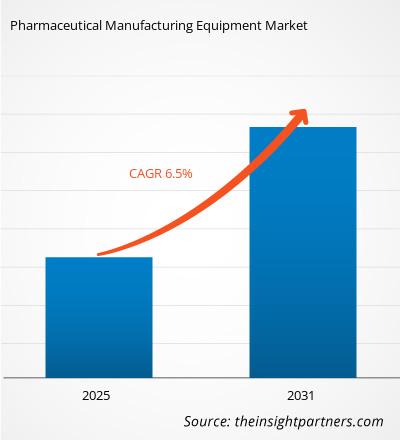
The Pharmaceutical Manufacturing Equipment Market size is expected to reach US$ 45.9 Billion by 2034 from US$ 24.6 Billion in 2025. The market is estimated to record a CAGR of 7.18% from 2026 to 2034. This steady compound annual growth rate reflects a market driven not just by routine replacement cycles, but by an industry-wide push toward modernization.
Pharmaceutical manufacturers are increasingly shifting away from legacy, batch-based manufacturing systems toward integrated, continuous manufacturing lines. This shift is crucial for optimizing yield, reducing human intervention, minimizing contamination risks, and meeting stringent international safety benchmarks. Additionally, the rapid rise of biologics, biosimilars, and personalized cell and gene therapies requires highly customized, flexible processing equipment capable of handling smaller, high-value batches.
Key Drivers of Market Expansion
Several macroeconomic and industry-specific factors are fueling this market expansion:
-
Rise of Chronic Diseases and Aging Population: Globally, the rising prevalence of chronic conditions such as diabetes, cardiovascular diseases, and oncological ailments is escalating the volume-demand for daily medications, thereby forcing manufacturing facilities to scale up production capacities.
-
Expansion of Biopharmaceuticals: Unlike traditional small-molecule drugs, biopharmaceuticals require highly sensitive, specialized processing ecosystems, including bioreactors, advanced filtration systems, and specialized filling lines that can maintain strict sterile conditions.
-
Stringent Regulatory Standards: Regulatory bodies like the US Food and Drug Administration (FDA) and the European Medicines Agency (EMA) continuously update Current Good Manufacturing Practice (cGMP) regulations. To maintain compliance and avoid costly product recalls, pharmaceutical firms must continuously upgrade their hardware and software infrastructure.
-
The Push for Automation and Industry 4.0: Digitalization is no longer optional. Modern pharmaceutical equipment is increasingly integrated with Internet of Things (IoT) sensors, artificial intelligence (AI) for predictive maintenance, and advanced data analytics to monitor batches in real-time, greatly minimizing waste.
Get a PDF Sample– https://www.theinsightpartners.com/sample/TIPRE00039580
Competitive Landscape and Key Players
The global pharmaceutical manufacturing equipment market is characterized by a mix of established multinational engineering firms and specialized niche machinery producers. These companies focus heavily on research and development (R&D) to launch highly efficient, modular, and compliant systems.
Key players driving innovation and holding prominent market share include:
-
GEA Group Aktiengesellschaft: A global leader recognized for its comprehensive solid dosage processing technologies, advanced granulation systems, and liquid formulation equipment.
-
I.M.A. INDUSTRIA MACCHINE AUTOMATICHE S.P.A: An Italian powerhouse dominating the automated packaging and processing lines for both solid and liquid pharmaceuticals.
-
Syntegon Technology GmbH: Formerly Bosch Packaging Technology, Syntegon specializes in sophisticated processing and packaging technology, particularly for sterile liquid applications like vials and syringes.
-
ACG: A prominent provider of end-to-end manufacturing solutions, widely respected for its capsule filling machinery, tableting systems, and high-quality consumables.
-
Thermo Fisher Scientific Inc. A scientific giant that offers critical analytical instruments, laboratory equipment, and specialized bioprocessing systems essential for vaccine and biological drug production.
-
Romaco Group: Known for its highly flexible engineering solutions, Romaco excels in tablet pressing, blister packaging, and powder filling technologies.
-
Körber AG: A diverse technology group that delivers cutting-edge software solutions alongside physical inspection and packaging systems tailored for high-speed pharma lines.
-
Marchesini Group: A major player focusing on the design and construction of customized packaging lines, catering extensively to blister packs, deep-draw thermoforming, and aseptic filling.
-
MG2 s.r.l.: A pioneer in continuous-motion capsule filling technology, highly regarded for precision dosing and integrated weight control systems.
-
Glatt GmbH: A recognized authority in fluidized bed technology, offering advanced solutions for product formulation, granulating, drying, and particle coating.
Get Full Copy of This Report- https://www.theinsightpartners.com/buy/TIPRE00039580
Future Outlook
The future of the pharmaceutical manufacturing equipment market points toward highly agile, automated, and sustainable ecosystems. Over the next decade, the industry will likely see a deeper integration of digital twins virtual replicas of physical manufacturing processes allowing companies to simulate production runs and optimize equipment configurations before physical implementation. Furthermore, sustainability will transition from a corporate milestone to a design requirement; equipment manufacturers will need to innovate energy-efficient machinery that reduces water consumption and minimizes carbon footprints during intensive chemical synthesis and sterilization cycles. As regional hubs in Asia-Pacific and Latin America expand their domestic drug manufacturing capabilities to ensure localized supply chain security, demand for scalable, modular manufacturing skids will surge. Ultimately, the market is poised to transition from rigid, high-volume production paradigms into flexible, highly secure, and smart manufacturing networks capable of adapting to the next generation of medical science.
Related Reports-
Manufacturing Predictive Analytics Market
Footwear Manufacturing Machines Market
About Us
The Insight Partners is a one-stop industry research provider of actionable intelligence. We help our clients in getting solutions to their research requirements through our syndicated and consulting research services. We specialize in industries such as Semiconductor and Electronics, Aerospace and Defense, Automotive and Transportation, Biotechnology, Healthcare IT, Manufacturing and Construction, Medical Devices, Technology, Media, and Telecommunications, as well as chemicals and Materials.
