The global industrial landscape is undergoing a significant material transformation, moving toward high-strength, lightweight, and corrosion-resistant solutions. At the forefront of this evolution is the Fiber Glass Yarn market. Fiber glass yarn, produced by drawing molten glass into fine filaments and twisting them into a cohesive strand, serves as the fundamental building block for advanced composite materials. Its unique combination of high tensile strength, dimensional stability, and excellent electrical insulation properties makes it indispensable across a vast array of high-tech applications, from printed circuit boards (PCBs) to wind turbine blades and aerospace components.
Strategic research from The Insight Partners indicates that the global Fiber Glass Yarn Market is anticipated to expand at a CAGR of 5% from 2026 to 2034. Following a period of steady technical refinement and supply chain optimization in 2024, the market size is projected to reach a significant valuation by 2034. This robust growth is underpinned by the aggressive expansion of the telecommunications sector and the global transition toward renewable energy infrastructure.
Download Sample PDF Brochure: https://www.theinsightpartners.com/sample/TIPRE00019203
Market Report Drivers: The Engines of 5% CAGR
The momentum of the Fiber Glass Yarn market is anchored in high-impact industrial drivers that prioritize durability and efficiency:
1. Rapid Expansion of 5G Infrastructure and Electronics
The electronics industry is one of the primary catalysts for the fiber glass yarn market. Fine-diameter glass yarns are essential for the production of glass-reinforced epoxy laminates used in Printed Circuit Boards (PCBs). As the United States and Asia-Pacific regions accelerate the rollout of 5G networks, the demand for thinner, high-performance yarns that offer superior dielectric properties is surging. These yarns allow for the miniaturization of components while maintaining the signal integrity required for high-speed data transmission.
2. Renewable Energy and Wind Turbine Innovation
The global commitment to carbon neutrality is driving a massive surge in wind energy projects. Fiber glass yarn is a critical component in the manufacturing of wind turbine blades, providing the necessary reinforcement to withstand extreme mechanical stress and environmental weathering. As turbine blades increase in size to capture more energy, the demand for high-modulus fiber glass yarn—which offers greater stiffness and reduced weight—is projected to grow exponentially through 2034.
3. Lightweighting in the Automotive and Aerospace Sectors
In the automotive industry, the transition to Electric Vehicles (EVs) has made “lightweighting” a strategic priority to extend battery range. Fiber glass yarn-reinforced composites are increasingly replacing traditional metal components in interior trims, under-the-hood applications, and battery housings. Similarly, in the aerospace sector, the need for flame-retardant and high-strength materials for cabin interiors and structural reinforcements continues to fuel market growth.
Market Segmentation and Share Analysis
To understand the 2034 trajectory, the Fiber Glass Yarn market is segmented by glass type, yarn type, and end-use application:
-
By Glass Type: E-Glass remains the dominant segment due to its excellent electrical insulation properties and cost-effectiveness. However, S-Glass and R-Glass are witnessing higher growth rates in defense and aerospace applications due to their superior tensile strength and temperature resistance.
-
By Yarn Type: Single yarns hold a significant market share for textile and electronic applications, while plied yarns are favored for heavy-duty industrial reinforcements and construction materials.
-
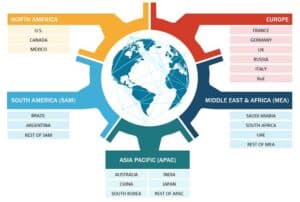
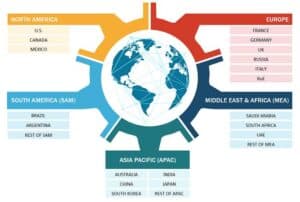
By Geography: The Asia-Pacific region currently leads the global market share, driven by the massive electronics manufacturing hubs in China, Taiwan, and South Korea. North America and Europe are projected to see steady growth focused on high-value aerospace and renewable energy sectors.
Strategic Market Trends (2026–2034)
-
Miniaturization of Yarn Diameters: There is a clear trend toward the production of ultra-fine glass yarns (BC, D, and DE filaments) to accommodate the thinning of smartphones and wearable tech.
-
Sustainability and Green Manufacturing: Manufacturers are increasingly focusing on reducing the energy intensity of glass melting furnaces and exploring the use of recycled glass cullet in the yarn production process to meet ESG (Environmental, Social, and Governance) targets.
-
Hybrid Composites: The integration of fiber glass yarn with carbon fiber or aramid fibers to create hybrid yarns that offer a balance of cost and extreme performance.
Top Key Players in the Fiber Glass Yarn Market
The competitive landscape features a mix of global chemical innovators and specialized textile engineers:
-
Owens Corning
-
Jushi Group Co., Ltd.
-
Chongqing Polycomp International Corp. (CPIC)
-
Nippon Electric Glass Co., Ltd.
-
Saint-Gobain S.A.
-
AGY Holding Corp.
-
PFG Fiber Glass Corporation
-
Nitto Boseki Co., Ltd. (Nittobo)
-
Taiwan Glass Ind. Corp.
Interested in purchasing this Report? Click here @ https://www.theinsightpartners.com/buy/TIPRE00019203
About The Insight Partners
The Insight Partners is a one-stop industry research provider of actionable intelligence. We help our clients in getting solutions to their research requirements through our syndicated and consulting research services. We specialize in industries such as Semiconductor and Electronics, Aerospace and Defense, Automotive and Transportation, Biotechnology, Healthcare IT, Manufacturing and Construction, Medical Devices, Technology, Media and Telecommunications, and Chemicals and Materials.
Contact Us
- If you have any queries about this report or if you would like further information, please get in touch with us:
- Contact Person: Ankit Mathur
- E-mail: [email protected]
- Phone: +1-646-491-9876
- Also Available in : KoreanGermanJapaneseFrenchChineseItalianSpanish