

The ADC Linkers Market was valued at USD 1.2 billion in 2025 and is projected to reach USD 2.31 billion by 2030, expanding at a CAGR of 14% between 2026 and 2030. The market is gaining strong momentum as the pharmaceutical industry increasingly focuses on precision oncology and targeted drug delivery systems.
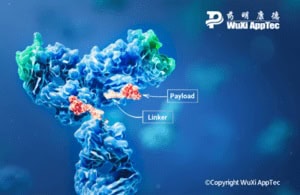
ADC linkers play a vital role in antibody–drug conjugates (ADCs) by connecting monoclonal antibodies to cytotoxic drug payloads. These specialized chemical linkers ensure that the drug is delivered precisely to cancer cells while minimizing damage to healthy tissues. As healthcare systems worldwide move toward personalized medicine, the importance of reliable and innovative linker technologies continues to grow.
REQUESTSAMPLE:https://virtuemarketresearch.com/report/adc-linkers-market/request-sample
Market Overview
The ADC linker market represents a critical component of modern oncology therapeutics. Linkers serve as the chemical bridge that ensures the stability, targeting precision, and controlled release of cytotoxic drugs attached to antibodies.
As the number of antibody–drug conjugates in development continues to rise, pharmaceutical companies are investing heavily in advanced linker chemistries, improved drug-antibody ratios, and optimized delivery mechanisms.
Growing collaborations between pharmaceutical companies, biotechnology firms, and research institutes are further accelerating the development of innovative linker technologies designed to improve treatment outcomes for cancer patients.
Key Market Insights
Several important industry trends are shaping the ADC linkers market:
-
Top ADC therapies are projected to generate up to USD 17 billion in revenue by 2028, driving demand for optimized linker technologies.
-
Eight of the top ten global pharmaceutical companies have completed ADC-related acquisitions or partnerships within the past two years.
-
Approximately 75% of biopharma leaders consider integrated data platforms essential for accelerating ADC development.
-
Artificial intelligence and digital technologies are shortening drug discovery timelines, influencing around 40% of innovation processes.
-
Investment in genomics and digital platforms by leading biotech firms has increased by over 50% compared with industry peers.
-
Global ADC deal activity has grown significantly, highlighted by the acquisition of Seagen by Pfizer in a deal valued at approximately USD 43 billion.
-
Asia is emerging as a major innovation hub, contributing nearly 29% of the global innovative pipeline and two-thirds of biotech patents.
Market Drivers
Increasing Adoption of ADC Therapies
The growing adoption of antibody-drug conjugates in oncology treatment regimens is one of the most important drivers of the ADC linkers market.
Healthcare providers are increasingly utilizing ADC therapies because they allow highly targeted delivery of cytotoxic agents directly to cancer cells. This targeted approach significantly reduces systemic toxicity compared with traditional chemotherapy.
As ADC therapies expand across multiple cancer indications, the demand for high-performance linker systems continues to increase. These linkers must ensure stability during circulation while enabling precise payload release once inside tumor cells.
Market Restraints and Challenges
Despite promising growth prospects, several challenges affect the global ADC linkers market.
Developing advanced linker chemistries requires significant research investment and complex manufacturing processes, which can limit participation by smaller biotechnology firms. Strict regulatory requirements further extend product development timelines.
Technical challenges also remain, including maintaining linker stability and ensuring consistent drug-antibody conjugation efficiency. Variability in these processes can affect therapeutic performance and safety.
In addition, limited awareness among healthcare providers in emerging markets and increasing pricing pressure can slow adoption. Competition from alternative targeted therapies also poses a challenge for the ADC linker market.
Market Opportunities
Significant opportunities exist for innovation in linker chemistry as precision medicine continues to evolve.
Advancements in cleavable and non-cleavable linker technologies are enabling the development of more stable and efficient antibody-drug conjugates. Novel chemical classes such as thioether, hydrazone, and peptide linkers are expanding the possibilities for next-generation oncology treatments.
The expansion of oncology infrastructure in emerging markets and increasing investments in research collaborations are also expected to accelerate market growth. Pharmaceutical companies are actively seeking strategic partnerships to develop differentiated ADC therapies with improved safety and efficacy profiles.
Market Segmentation
By Linker Type
Cleavable Linkers – Largest Segment
Cleavable linkers hold the largest market share due to their ability to release cytotoxic payloads under specific physiological conditions inside tumor cells. Their flexibility and compatibility with multiple payloads make them a preferred choice in many approved ADC therapies.
Non-Cleavable Linkers – Fastest Growing Segment
Non-cleavable linkers are gaining popularity because of their superior stability and reduced risk of premature drug release. Their improved safety profile and controlled drug delivery capabilities are driving rapid adoption in next-generation ADC development.
By End User
Hospitals and Oncology Centers
Hospitals and oncology centers represent the largest end-user segment. These facilities possess the necessary infrastructure, oncology specialists, and treatment protocols required to administer advanced ADC therapies.
Specialty Clinics and Research Institutes
Specialty clinics and research institutes are the fastest-growing segment due to increasing investments in clinical trials, oncology research programs, and collaborative drug development initiatives.
Ambulatory and Outpatient Services
Outpatient oncology centers are also gaining importance as ADC therapies become safer and more accessible for patients outside hospital settings.
Regional Analysis
North America
North America holds the largest share of the ADC linkers market due to its advanced biotechnology ecosystem, strong research infrastructure, and supportive regulatory environment. The presence of major pharmaceutical companies and leading oncology research centers further strengthens the region’s leadership.
Impact of COVID-19 on the Market
The COVID-19 pandemic significantly affected the ADC linkers market. Clinical trials and laboratory research activities were temporarily disrupted due to lockdown restrictions and limited patient enrollment.
Supply chain interruptions also caused temporary shortages of important chemical components used in linker manufacturing. However, the pandemic accelerated collaborations between biotechnology companies and research institutions.
Remote research platforms, digital collaboration tools, and flexible manufacturing processes emerged as important innovations during this period. These developments ultimately strengthened the resilience of the ADC research ecosystem.
Latest Industry Developments
Recent industry developments highlight strong investment and innovation within the ADC linker market.
-
In November 2025, Mersana Therapeutics was acquired by Day One Biopharmaceuticals in a deal valued at up to USD 285 million, reflecting strong investor interest in next-generation ADC technologies.
-
In September 2025, Glenmark Pharmaceuticals partnered with Jiangsu Hengrui Pharmaceuticals for the development of Trastuzumab Rezetecan, a next-generation HER2-targeting ADC therapy.
-
In March 2025, Samsung Biologics expanded its ADC capabilities by establishing a dedicated manufacturing facility in Songdo and strengthening its collaboration with LigaChem Biosciences.
BUYNOW:https://virtuemarketresearch.com/report/adc-linkers-market/enquire
Key Companies in the ADC Linkers Market
Major players operating in the global ADC linkers market include:
-
F. Hoffmann-La Roche
-
Pfizer
-
Seagen
-
AstraZeneca
-
Takeda Pharmaceutical Company
-
GlaxoSmithKline
-
Daiichi Sankyo
-
ImmunoGen
-
ADC Therapeutics
-
Mersana Therapeutics
CUSTOMISATION: https://virtuemarketresearch.com/report/adc-linkers-market/customization
Conclusion
The ADC Linkers Market is poised for significant growth as targeted oncology therapies become a central component of modern cancer treatment strategies. Increasing adoption of antibody-drug conjugates, ongoing innovations in linker chemistry, and growing pharmaceutical collaborations are driving rapid market expansion.
As research in precision medicine, biotechnology, and artificial intelligence-driven drug discovery continues to advance, linker technologies will play a crucial role in improving the safety, effectiveness, and accessibility of next-generation cancer therapies worldwide.

