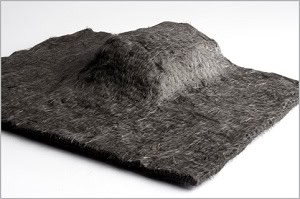
The Global Recycled Carbon Fiber Market is projected to reach a market size of USD 274.79 Million by the end of 2030.

The Recycled Carbon Fiber Market was valued at USD 160.89 Million in 2025 and is projected to reach a market size of USD 274.79 Million by the end of 2030. Over the forecast period of 2026-2030, the market is projected to grow at a CAGR of 11.3%.
Request Sample
The recycled carbon fiber market is growing as more industries search for lighter and stronger materials. One long-term driver for this market is the rising need for sustainable manufacturing. Many sectors, such as automotive, aerospace, wind energy, and sporting goods, rely on carbon fiber because it is strong and lightweight. However, making new carbon fiber uses a lot of energy and creates waste. Recycled carbon fiber offers a cleaner option. It reduces landfill waste and lowers the need for fresh raw materials. Governments around the world are also setting stricter environmental rules. These rules push companies to cut emissions and use recycled inputs. Over time, this steady focus on sustainability supports stable demand for recycled carbon fiber.
A noticeable trend in the industry is the improvement of recycling technologies and material forms. New methods such as pyrolysis and solvolysis are being refined to recover fibers with better strength retention. As technology improves, the quality gap between recycled and virgin carbon fiber is narrowing. Manufacturers are also offering recycled carbon fiber in different forms, such as chopped fibers, mats, and nonwoven fabrics. These flexible formats make it easier for designers and engineers to integrate recycled content into products. Another part of this trend is collaboration across the value chain. Material suppliers, automotive brands, and research institutes are working together to test performance and set standards. This cooperation builds trust in recycled materials and speeds up adoption. As awareness grows and technical performance improves, recycled carbon fiber is moving from a niche option to a more mainstream choice in many industries.
Segmentation Analysis:
By Type: Chopped Carbon Fiber, Continuous Carbon Fiber, Milled Carbon Fiber
The recycled carbon fiber market by type shows clear differences in use and demand. The largest in this segment is Chopped Carbon Fiber because it is easy to blend with plastics and resins for molding parts in cars, home devices, and simple tools. Manufacturers prefer chopped fiber since it flows well in injection molding machines and fits into existing production lines without major changes. Its flexible length and lower processing needs make it suitable for many mid-strength parts. The fastest-growing during the forecast period is Continuous Carbon Fiber as more industries test stronger recycled options for panels, frames, and structural sheets. Continuous fiber provides higher strength compared to milled or chopped forms, which makes it attractive for load-bearing components. Milled Carbon Fiber holds a smaller share and is mostly used as filler to improve stiffness and reduce shrinkage in compounds. Each type serves a different purpose, and buyers choose based on strength level, processing method, and final product design rather than price alone.
Enquire Before Buying
By Distribution Channel: Direct Sales, Online Sales Platforms, Distributors, and Resellers
The recycled carbon fiber market by distribution channel reflects how buyers prefer to source technical materials. The largest in this segment is Direct Sales because bulk buyers such as automotive part makers and industrial compounders often work closely with manufacturers. They require steady volumes, clear quality checks, and custom specifications. Direct agreements allow better communication about fiber grade, sizing treatment, and delivery schedule. The fastest-growing segment during the forecast period is Online Sales Platforms, as digital trade systems become more trusted for industrial materials. Smaller manufacturers and prototype developers are turning to online portals to compare grades, request samples, and place small-lot orders without long negotiations. Distributors and Resellers continue to play a steady role, especially in regions where local warehousing shortens delivery time. They support customers who need mixed shipments or technical guidance in native languages. The channel mix is slowly shifting as digital systems improve transparency in pricing, stock levels, and technical data sheets.
Regional Analysis:
The recycled carbon fiber market by region shows varied adoption levels tied to industrial maturity and environmental focus. The largest in this segment is Europe due to strong recycling policies and early investment in composite recovery systems. Many European manufacturers integrate recycled fibers into transport panels, rail interiors, and consumer products to meet circular economy targets. Asia-Pacific is the fastest growing during the forecast period as manufacturing activity expands and demand for lightweight materials rises in countries with growing automotive and electronics production. Local governments are also encouraging resource efficiency, which supports the use of. North America maintains a steady demand driven by innovation in advanced materials and product testing programs. South America shows a gradual uptake, mainly in industrial and construction uses, where cost balance matters. The Middle East & Africa region is developing at a measured pace, with interest growing in infrastructure and energy projects that explore composite applications.
Latest Industry Developments:
- Strategic alliances and collaborations shape the competitive landscape in the recycled carbon fiber market: A noticeable strategy trend in the recycled carbon fiber market is the formation of strategic alliances and collaborations across material producers, recyclers, and users. Companies increasingly join forces to scale production processes, share technical know-how, and ensure a stable supply of high-quality recycled carbon fiber for new applications. Partnerships are also being formed to develop closed-loop recycling systems that reduce costs and environmental impact, while enabling broader adoption in automotive, industrial, and consumer sectors. This collaborative pattern spreads risk, accelerates innovation, and helps align industry efforts toward circular economy goals, making shared growth a defining trend.
- Investment in advanced recycling technologies and production capacity reflects a market expansion trend: Investment in next-generation recycling technologies and expanded production capacity has become a prominent trend in the recycled carbon fiber market. Facilities using pyrolysis, solvolysis, and other advanced methods are being built or upgraded to recover fibers with improved mechanical quality, which broadens potential uses. Capital raising activities and equity financing to expand plants and refine processes signal a move toward industrial-scale output. This emphasis on technology enhances overall efficiency and helps lower production costs, making recycled carbon fiber more competitive with virgin alternatives. Consequently, continuous advancement in recovery and processing is a central trend shaping future market growth.
- Focus on broadening application reach through product diversification is gaining market traction: A key trend in the recycled carbon fiber market is the push to broaden application reach through product diversification. Rather than limiting recycled fiber to traditional uses, new product lines are emerging in sectors like high-performance plastics, structural composites, and consumer items where lightweight and sustainability attributes bring value. Market players are tailoring recycled carbon fiber to suit varied formats and performance levels, allowing entry into markets that previously relied on virgin materials. This diversification strategy not only opens additional revenue channels but also promotes recycled carbon fiber as a versatile solution across industries, increasing its relevance and adoption in emerging applications.