
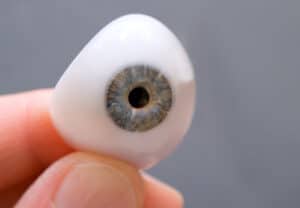

The Ocular Implants Market was valued at USD 14.3 billion in 2025 and is projected to reach USD 19.32 billion by 2030, growing at a CAGR of 6.2% during the forecast period (2026–2030).
Request Sample
The ocular implants market is growing because more people are living longer and more people are facing serious eye problems. As age increases, the risk of cataracts, glaucoma, retinal damage, and other vision disorders also rises. Cataract surgery is one of the most common procedures in the world, and it often requires an intraocular lens implant. This steady rise in elderly populations across many countries acts as a strong long-term driver for the market.
One important trend in the ocular implants market is the shift toward personalized and technologically advanced solutions. Premium intraocular lenses with multifocal, extended depth of focus, and toric features are becoming more common. These lenses are designed to provide clearer vision at multiple distances. At the same time, research is ongoing in the area of smart implants and drug-eluting devices that can release medication slowly inside the eye. Such innovations aim to reduce complications and improve long-term outcomes.
Segmentation Analysis:
By Product Type: Intraocular Lenses, Corneal Implants, Orbital Implants, Others
The ocular implants market by product type shows clear differences in use and demand patterns across care settings. Intraocular lenses hold the largest share in this segment because they are widely used in vision correction procedures where the natural lens is replaced. These lenses come in many forms, including monofocal and advanced optical designs, which increase their adoption across urban and semi-urban hospitals. Corneal implants are used in specific cases where the cornea loses clarity or shape, and they serve patients who may not respond to routine treatments. Orbital implants are placed after eye removal surgeries and are vital for structural restoration, especially in trauma or tumor cases. The “others” category includes specialized drainage devices and supportive structures used in niche procedures. The fastest-growing segment during the forecast period is Corneal Implants, as newer biomaterials and improved surgical methods are expanding their acceptance among surgeons. Growth in this subsegment is supported by rising cases of corneal disorders and greater access to specialty eye centers equipped for delicate transplantation procedures.
Enquire Before Buying
By Application: Cataract Surgery, Glaucoma Surgery, Ocular Prosthesis, Others
The ocular implants market by application reflects how different eye conditions require distinct surgical solutions. Cataract surgery represents the largest share in this segment due to the high number of procedures performed every year across public and private health systems. The replacement of clouded lenses with artificial implants is a standard solution, and this routine nature keeps the segment strong. Glaucoma surgery involves implants that help manage eye pressure when medication alone does not work effectively. Ocular prosthesis is used in cases where the eye must be removed because of injury, infection, or disease, providing cosmetic and psychological support to patients. The “others” group includes corrective and supportive procedures tied to rare structural conditions. Fastest growing during the forecast period is Glaucoma Surgery, as more patients are being diagnosed at earlier stages and seeking long-term pressure control options. New minimally invasive devices are encouraging surgeons to adopt implant-based solutions for better patient monitoring and steady therapeutic outcomes.
By End User: Hospitals, Ambulatory Surgery Centers, Clinics, Others
The ocular implants market by end user shows varied service delivery models depending on complexity and patient flow. Hospitals account for the largest share in this segment because they manage high patient volumes and are equipped for advanced surgical care, including complicated implant procedures that may require extended observation. Large hospital networks often house dedicated ophthalmology departments with integrated diagnostic imaging and sterile operating rooms. Ambulatory surgery centers are designed for same-day procedures and are becoming more common in metropolitan regions. Clinics handle routine consultations and certain minor implant-related services, especially in areas with limited hospital access. The “others” category includes specialty institutes and charitable eye foundations that conduct targeted surgical camps. Fastest growing during the forecast period is Ambulatory Surgery Centers, driven by shorter waiting times and cost-efficient surgical packages. These centers are adopting compact surgical systems and streamlined workflows, allowing them to manage growing patient demand without the infrastructure scale of multi-specialty hospitals.
Regional Analysis:
The ocular implants market across regions displays uneven distribution influenced by healthcare funding and disease burden. North America holds the largest share in this segment due to strong reimbursement systems, advanced surgical infrastructure, and high awareness about corrective eye procedures. The presence of specialized ophthalmic research facilities and widespread insurance coverage supports consistent procedural rates. Europe follows with stable adoption driven by aging populations and organized public health programs focused on visual impairment. Asia-Pacific is emerging as a dynamic landscape with expanding hospital networks and rising surgical outreach initiatives in densely populated countries. South America is witnessing the gradual modernization of ophthalmic services, while the Middle East & Africa region is improving access through targeted investment in specialty clinics. Fastest growing during the forecast period is Asia-Pacific, supported by large untreated patient pools, growing medical tourism in selected countries, and increasing training programs that enhance the availability of skilled eye surgeons.
Latest Industry Developments:
- Companies in the ocular implants market are emphasizing collaborative innovation and strategic expansion as a key competitive trend: A major trend shaping the ocular implants market is the rise of collaborative innovation efforts across the industry. Many organizations are focusing on partnerships with technology firms, research institutions, and specialized clinics to co-develop next-generation implant solutions that offer enhanced features like sustained drug delivery, smart sensor integration, and personalized ocular device designs. These alliances help accelerate product development cycles and bring advanced technologies into surgical practice more quickly. Widespread collaboration also enables shared access to expertise in digital health, biomaterials, and manufacturing advances, which collectively help firms differentiate offerings and grow their footprint more effectively in competitive regional markets.
- Increasing investment in advanced materials and technology integration is reshaping competitive strategies in the market: Another emerging trend in the ocular implants market involves deliberate investment in advanced materials, biocompatible polymers, and technology-enhanced implant features. Firms are directing substantial research and development resources toward biocompatible coatings, 3D-printed structures, and implants capable of real-time monitoring or controlled drug release. The trend toward investing in such sophisticated technologies reflects the broader industry focus on improving long-term patient outcomes and reducing complication rates. By prioritizing materials science and digital integration, companies can offer value-added device portfolios that appeal to both surgeons and patients, reinforcing market presence and encouraging preference for their advanced solutions.
- Expansion into underserved regions and tailored market approaches are driving competitive growth strategies: A third trend seen across the ocular implants industry is the expansion of market reach through tailored regional strategies and localized product offerings. Companies are increasingly adapting their commercialization approaches to suit regulatory environments, healthcare infrastructure, and affordability constraints in emerging economies. This includes forming partnerships with local distributors, customizing pricing structures, and participating in government tenders or public health initiatives that widen access to ocular implants. By focusing on expanding geographical presence and addressing specific regional needs, firms enhance brand recognition, cultivate new patient segments, and ultimately strengthen their competitive position across global markets.


