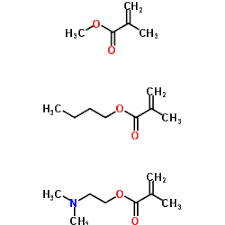
The Global Amino Methacrylate Copolymer Market is projected to reach a market size of USD 1.57 billion by 2030.

In 2025, the Global Amino Methacrylate Copolymer Market was valued at USD 1.33 billion and is projected to reach a market size of USD 1.57 billion by 2030. Over the forecast period of 2026-2030, the market is projected to grow at a CAGR of 3.4%.
Request Sample
Amino methacrylate copolymer is a special material used mostly in the pharmaceutical world. It is known for helping control how medicines dissolve in the body. This polymer forms thin coatings around tablets and capsules. These coatings can protect the drug from stomach acid or help release it slowly over time. Because of this useful property, the demand for amino methacrylate copolymer continues to grow in many regions. One strong long-term driver for this market is the rising need for advanced drug delivery systems.
The COVID-19 pandemic had a mixed impact on the market. In the early months of the outbreak, supply chains faced disruption. Lockdowns limited manufacturing activities and delayed shipments of raw materials. Many pharmaceutical plants operated at reduced capacity. This caused short-term slowdowns in polymer production and distribution. However, as the pandemic progressed, demand for medicines and health products increased sharply. Governments and healthcare providers focused on strengthening drug supply systems. Vaccine production, antiviral drugs, and supportive treatments led to higher pharmaceutical manufacturing activity. As production lines ramped up, the need for coating materials and functional polymers also rose. In the later stages of the pandemic, the market recovered and showed stable momentum. The crisis also encouraged companies to diversify suppliers and build regional production hubs, improving long-term resilience.
In the short term, one important driver is the rapid growth of generic drug manufacturing. Many blockbuster drugs have lost patent protection in recent years. Generic drug makers are launching cost-effective alternatives at a fast pace. These medicines still require high-quality coatings and controlled-release features to match original formulations. Amino methacrylate copolymer is widely used in generic formulations because it offers consistent performance and regulatory acceptance. As healthcare systems push for affordable treatment options, generic drug output continues to expand, boosting short-term demand for this polymer.
A major opportunity in the industry lies in emerging markets. Countries in Asia Pacific, Latin America, and parts of Africa are investing more in local pharmaceutical manufacturing. Governments are promoting domestic production to reduce dependence on imports. As new drug manufacturing plants are established, the need for excipients and specialty polymers increases. Rising population levels and improved access to healthcare services further strengthen this opportunity. In addition, growing awareness about quality standards is encouraging the use of advanced coating materials instead of basic alternatives. This shift supports higher consumption of amino methacrylate copolymer in developing regions.
One clear trend observed in the industry is the focus on innovation in polymer chemistry. Manufacturers are working on developing grades with improved solubility control, better film-forming properties, and enhanced stability. There is also growing interest in environmentally friendly production methods. Companies are investing in cleaner technologies and reducing solvent use during manufacturing. Customization is another noticeable trend. Pharmaceutical firms often request tailored polymer grades designed for specific drug molecules. This collaborative development model is becoming more common. As precision medicine and complex drug formulations expand, specialized polymers will likely gain greater attention.
Enquire Before Buying
Segmentation Analysis:
By Application: Tablet, Capsule, Others
The amino methacrylate copolymer market shows clear movement when studied by application. Largest in this segment is Tablet and Fastest Growing During The forecast period is Capsule. Tablets hold the biggest share because they are the most common form of medicine used around the world. Many over-the-counter and prescription drugs are made as tablets since they are easy to store, simple to transport, and convenient for patients. This polymer is used to create smooth outer films that help tablets pass through the stomach safely before releasing the drug. It also supports taste masking for bitter medicines. Capsules, however, are expanding at a quicker rate during the forecast period. Patients often prefer capsules because they are easier to swallow and may dissolve in a more predictable way. Drug makers are increasing capsule-based products for vitamins, probiotics, and specialty treatments. The Others category, which includes granules and pellets, holds a smaller portion but continues to attract niche demand. In pediatric and geriatric care, alternative dosage forms are gaining attention. Shifts in patient comfort, packaging innovation, and dosage flexibility shape how each subsegment performs in this evolving market space.
Regional Analysis:
The amino methacrylate copolymer market presents varied patterns across global regions. Largest in this segment is North America and fastest growing during the forecast period is Asia-Pacific. North America leads due to its strong pharmaceutical manufacturing base and advanced regulatory systems. The region has a high number of drug formulation facilities that require dependable coating materials for complex therapies. Investment in research laboratories and contract manufacturing organizations also supports consistent polymer consumption. Europe follows with a steady presence, driven by established healthcare systems and a focus on quality production standards. Asia-Pacific is witnessing the fastest growth during the forecast period because of expanding drug production capacity in countries such as India, China, and South Korea. Governments in this region are supporting domestic pharmaceutical industries through funding programs and infrastructure upgrades. South America shows gradual development, supported by rising healthcare access and local generics manufacturing. The Middle East & Africa region remains smaller in share but is seeing gradual industrial progress as healthcare spending improves and import substitution strategies gain momentum across selected nations.
Latest Industry Developments:
- Strategic Expansion Through Product Diversification: Companies are increasingly broadening their portfolios of amino methacrylate copolymer grades to address evolving pharmaceutical formulation needs. This trend sees development of new polymer variants tailored for specific release profiles, improved film-forming qualities, and compatibility with innovative delivery systems. Enhanced product lines help manufacturers serve a wider range of therapeutic applications and formulation challenges, making them more competitive across global markets. By offering specialized solutions that align with shifting drug development priorities, players in this market aim to strengthen customer loyalty, attract new partnerships, and maintain relevance as the demand for advanced excipients continues to grow.
- Collaborative Partnerships and Supply Chain Integration: There is a noticeable trend toward forming strategic alliances with drug developers, contract manufacturers, and raw material suppliers. These collaborations aim to streamline supply chains, secure reliable access to inputs, and co-develop novel formulations that leverage amino methacrylate copolymer’s functional benefits. By integrating more closely with partners along the pharmaceutical value chain, producers can improve responsiveness to market shifts, reduce lead times, and enhance service offerings. This cooperative approach also supports knowledge exchange and early alignment with emerging drug formulation requirements.
- Investment in Regional Manufacturing Capabilities: A growing trend involves expanding production capacity in key emerging regions to better serve local demand and reduce dependency on long-distance supply routes. Establishing or upgrading facilities in Asia-Pacific, Latin America, and select parts of Europe enables companies to deliver faster and at lower cost to regional pharmaceutical hubs. This localization strategy also aligns with regulatory and trade dynamics that favor domestic sourcing, helping firms capture market share in high-growth territories while mitigating geopolitical and logistical risks associated with centralized manufacturing.